One Tab, Zero Regrets: The Browser Game Renaissance Is Eating Your Backlog
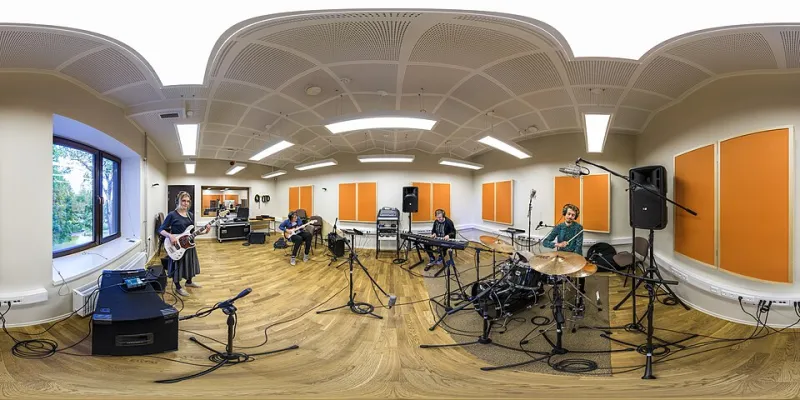
Photo: Lauri Veerde, CC BY-SA 4.0, via Wikimedia Commons
It is 11:47 p.m. on a Tuesday. You have a $70 preorder sitting on a home screen, a controller blinking a low battery warning, and a group chat link that says 'play this, it takes four minutes.' Four minutes later you are a pigeon running a bakery and you have forgotten the preorder exists. That is the 2026 browser game boom in one scene.
This is not nostalgia for the school computer lab. It is a quiet resurgence of instant-play games that load in a tab, ask for nothing, and end before your coffee gets cold. Developers are shipping experimental little things again. Players are clicking. And the whole thing is making the traditional storefront feel like a DMV with a splash screen.
The Storefront Hangover
Let us be fair to big games: many are excellent, and nobody needs to pretend a 90-hour epic is a moral failure. But the ritual around them has become exhausting. Download the launcher. Link the account. Install the day-one patch. Verify the files. Discover that your graphics card and the game have different opinions about reality. By the time you reach the title screen, you have used up the exact amount of energy you had for fun.
Browser games strip all of that away. One click, one tab, one weird little idea. There is no library to organize and no update notes to read. The barrier between 'I am curious' and 'I am playing' is roughly the length of a sneeze. In a year when everyone is talking about attention spans like they are a national emergency, that frictionless start is not a gimmick. It is the whole pitch.
Why Developers Are Shipping Weird Little Games Again
Web technology has quietly gotten good enough to be dangerous. Tools like WebGL, WebGPU, and WebAssembly let small teams build sharp-looking games that run in a browser without asking players to install a second operating system. The distribution is the link. The storefront is the group chat. The demo is the game.
That changes what gets made. A developer can ship a strange idea on Friday, watch people bounce off it or fall in love with it over the weekend, and patch it on Monday. No certification queue. No marketing budget. No publisher asking where the live-service roadmap is. The browser becomes an arcade cabinet, a lab, and a feedback loop in one.
Some of these games are five-minute jokes. Some are genuinely beautiful. The point is that the format rewards experimentation. A browser game can be about folding laundry, sorting cursed mail, or running a bakery as a pigeon. It does not need to justify its existence with a content roadmap. It just needs to be interesting for as long as it lasts.
The Starter Pack: Where to Look in 2026
You do not need a secret handshake, but you do need better hunting grounds than a search engine page stuffed with fake download buttons.
Start with itch.io and filter for browser games. The tag system is messy in the way a good thrift store is messy. Search for 'browser,' 'short,' 'experimental,' or a game jam theme, then sort by recent. Newgrounds remains a genuinely useful chaos portal, especially if you want to see what people make when nobody is telling them to optimize for retention. Personal developer sites and GitHub Pages are where the strange stuff hides, usually with a single screenshot and a sentence that reads like a dare.
Game jams are the best early-warning system. Ludum Dare, GMTK Game Jam, and the endless smaller jams produce hundreds of tiny games with one strong idea and no padding. Most are rough. A few are the seed of something you will see everywhere in six months. The fun is being early enough to say 'I played the browser version' before the Steam page has a trailer.
And do not sleep on Discord. The best browser games in 2026 are being passed around like contraband in small servers, usually with a message that says 'trust me' and nothing else. That is a better recommendation engine than most storefronts.
How to Spot a Gem Before the Aggregators Do
A few tells separate a gem from a click trap.
First, the pitch is short and specific. 'You are a lighthouse keeper who is also a lawyer' is a pitch. 'Epic adventure awaits' is a warning label. Second, the game starts fast. If you are still reading instructions after 90 seconds, close the tab. Third, the comments are specific. People arguing about a mechanic or sharing a trick is a good sign. People typing 'first' is not. Fourth, there is no obvious monetization sludge. A tip jar is fine. A screen full of fake progress bars is not.
The best test is the 90-second rule: play for 90 seconds, then ask yourself if you are curious about second 91. If yes, keep going. If no, close the tab without guilt. You have lost nothing but a minute and a half, which is more respect than most games give you during their tutorial.
The Five-Minute Contract
Here is the most honest pitch in gaming right now: free and five minutes long. It says exactly what it is. No preorder bonus. No season pass. No emotional negotiation about whether you got your money's worth. You trade a tiny slice of time for a tiny slice of joy, and then you go to bed.
That contract is why browser games are beating the backlog for a lot of people. They fit between dinner and dishes. They fit in a lunch break. They fit when you are too tired for a cinematic universe but not too tired for a weird little thing that makes you smile.
The $70 preorder will still be there tomorrow. The pigeon bakery is only a tab away.